Conserving Leftover Food: Importance and Preparation
Meaning of Leftover Foods
Leftover foods are foods that remain after a meal and can be safely stored and reused later. Instead of being thrown away, these foods can be preserved and prepared again for consumption.Conserving leftover food is an important household practice that helps reduce food waste and ensures efficient use of available food resources.
Importance of Conserving Leftovers
Conserving leftover food is beneficial both at the household level and in the wider community. It promotes responsible use of food and helps families manage resources effectively.
Key Importance
-
Reduces food wastage:
When leftover food is reused instead of discarded, it minimizes the amount of food that goes to waste and ensures efficient use of food resources. -
Saves money:
Reusing leftovers reduces the need to buy or prepare new meals frequently, helping households cut down on food expenses. -
Saves time in food preparation:
Leftover foods can be quickly reheated or modified into new meals, reducing the time spent cooking from scratch. -
Provides quick meals:
Stored leftovers can be used to prepare meals quickly, especially when there is limited time or energy to cook. -
Maintains nutritional value:
When properly stored and handled, leftover food retains most of its nutrients, ensuring that it remains beneficial to the body.
Did You Know?
Properly stored leftover food can still retain most of its nutrients
and provide a healthy meal later.
Safe Handling of Leftover Foods
Proper handling of leftover foods is very important to prevent food poisoning and maintain food quality. Poor handling can lead to contamination and health risks.
Guidelines for Safe Handling
- Store food properly in clean, covered containers
- Refrigerate leftovers where possible to slow down spoilage
- Maintain high standards of hygiene when handling food
- Reheat food thoroughly before eating to kill harmful microorganisms
- Do not reheat food more than once, as this can increase the risk of contamination
Avoid Consuming Food That:
- Has a bad or unusual smell
- Is discoloured or has changed appearance
- Shows signs of mould or spoilage
Such food may be unsafe and can cause illness if consumed.
Did You Know?
Reheating leftover food more than once can increase the risk of
contamination and make the food unsafe to eat.
Preparing Leftover Foods
Leftover foods can be transformed into new, tasty meals instead of being eaten in their original form. This improves their appeal and encourages consumption.
Example 1: Ugali Croutons
Ugali croutons are a simple and creative way of reusing leftover ugali by turning it into a crunchy snack.
Ingredients
- Leftover ugali
- Oil
- Salt
- Spices (optional, for flavor)
Procedure
- Cut the leftover ugali into small uniform cubes
- Add oil, salt, and spices, then mix evenly
- Spread the cubes on a baking tray
- Bake in an oven at 180°C until they turn brown and crispy
- Remove from the oven and serve hot
Watch: Creative Ways to Use Leftover Ugali
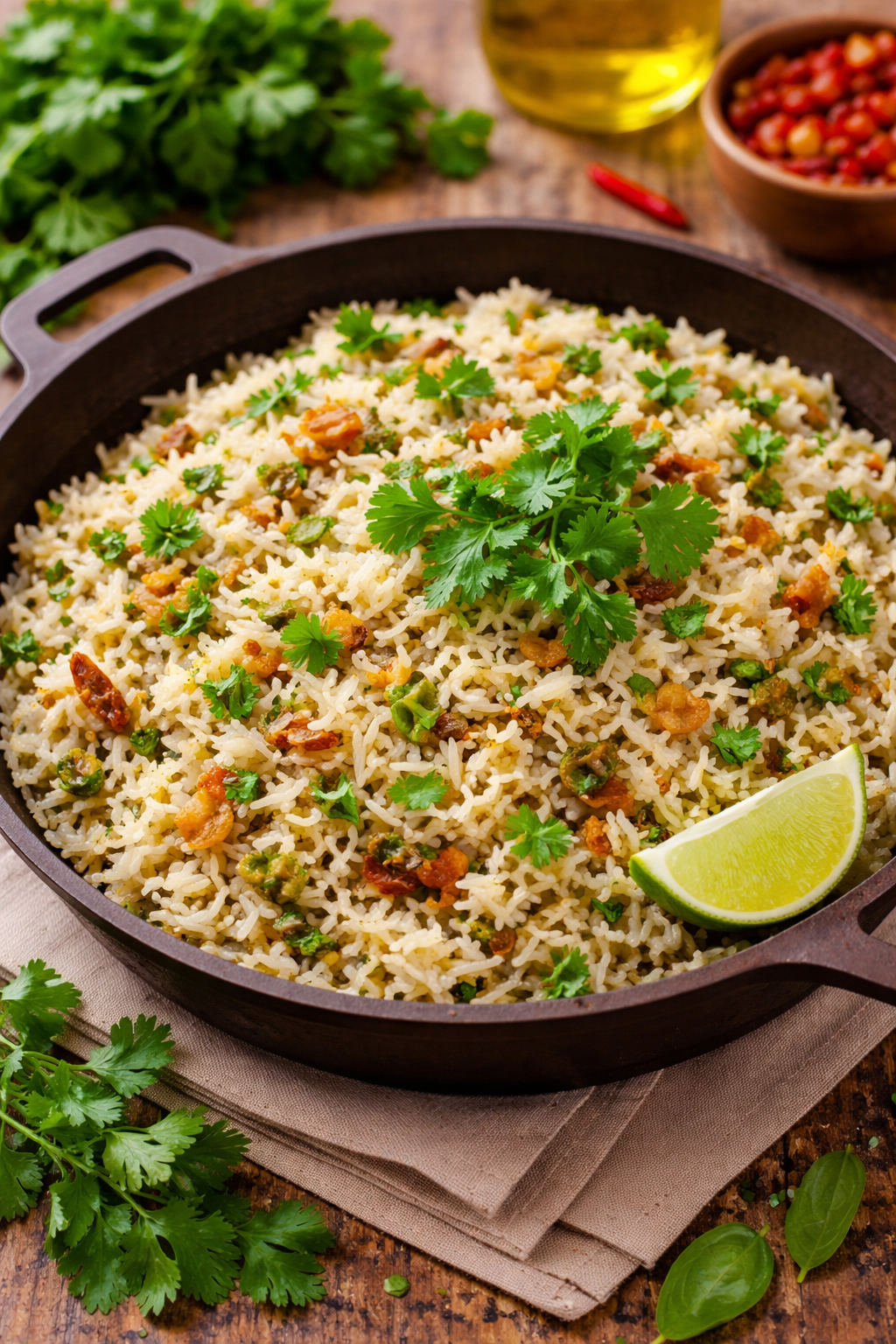
Example 2: Dhania Rice
Dhania rice is a flavorful dish prepared by enhancing leftover rice with spices and vegetables.
Ingredients
- Leftover rice
- Onion
- Dhania (coriander)
- Oil
- Water
Procedure
- Chop the onion and fry it in oil until golden brown
- Add chopped dhania and cook briefly to release flavor
- Add the leftover rice and a small amount of water
- Stir thoroughly and heat until the rice is well mixed and hot
- Serve while hot
Example 3: Preparing Leftover Githeri (Mukimo)
Leftover githeri (a mixture of maize and beans) can be reused to prepare a nutritious dish such as mukimo. This method helps reduce food wastage while improving the taste and presentation of leftovers.
Requirements
- Leftover githeri
- Pumpkin leaves
- Cooking oil
- Potatoes
- Salt
- Sufuria (cooking pot) with a lid
- Jug
- Potato masher or cooking stick
- Source of heat
- Matchbox
Preparation Process
-
Prepare the potatoes:
- Peel the potatoes
- Wash them thoroughly in clean water to remove dirt
-
Prepare the pumpkin leaves:
- Remove the stalks from the leaves
- Wash them properly
- (Optional) Blend the leaves to improve colour and texture
-
Cook the potatoes and leaves:
- Place the peeled potatoes in boiling water
- Add the pumpkin leaves on top of the potatoes
- Allow them to cook together so that the leaves steam as the potatoes boil
-
Add leftover githeri:
- When the potatoes are almost ready, add the leftover githeri
- Allow the mixture to heat thoroughly
-
Drain excess liquid:
- Once the food is well heated, drain excess liquid into a jug
- This prevents the food from becoming too watery
-
Mash the mixture:
- Add salt to taste
- Mash the mixture using a potato masher or cooking stick until well mixed
-
Adjust consistency:
- If the mukimo becomes too dry, add some of the drained liquid
- Mix well to achieve the desired texture
-
Serve the food:
- Place the mukimo in a clean serving dish
- Serve while hot
Watch: Mukimo with Leftover Githeri
Summary
Meaning of Leftover Foods
- Leftover foods are foods that remain after a meal.
- They can be safely stored and reused later.
- Proper conservation helps reduce food waste.
- Encourages efficient use of available food resources.
Importance of Conserving Leftovers
- Reduces food wastage by reusing food instead of discarding it.
- Saves money by reducing frequent food purchases.
- Saves time in food preparation.
- Provides quick and convenient meals.
- Helps retain nutritional value when properly stored.
Safe Handling of Leftovers
- Store food in clean, covered containers.
- Refrigerate leftovers to slow spoilage.
- Maintain proper hygiene when handling food.
- Reheat food thoroughly before eating.
- Avoid reheating food more than once.
Unsafe Food Warning Signs
- Food with a bad or unusual smell should not be eaten.
- Discoloured or changed appearance indicates spoilage.
- Mould growth shows the food is unsafe.
- Consuming spoiled food can cause illness.
Preparing Leftover Foods
- Leftovers can be transformed into new meals.
- Improves taste and appearance of food.
- Encourages consumption instead of waste.
- Promotes creativity in cooking.
Ugali Croutons
- Made from leftover ugali cut into small cubes.
- Mixed with oil, salt, and spices.
- Baked until crispy and brown.
- Served as a crunchy snack.
Dhania Rice
- Prepared using leftover rice.
- Cooked with onion and dhania (coriander).
- Enhanced with oil and a little water.
- Served hot as a flavorful dish.
Mukimo from Githeri
- Leftover githeri is mixed with potatoes and pumpkin leaves.
- Cooked together and mashed into a uniform mixture.
- Salt added to improve taste.
- Served hot as a nutritious meal.
Preparation Process
- Prepare and clean ingredients like potatoes and leaves.
- Cook ingredients together with leftover food.
- Drain excess liquid to control texture.
- Mash and mix thoroughly before serving.
Assessment
Conserving Leftover Foods Assessment
Answer all 15 questions about conserving leftover foods, safe handling, and preparation of leftover meals. Your results will be marked automatically.
15 Questions
Certificate of Achievement
This certifies that
has successfully completed the assessment on
Conserving Leftover Foods
Score:
Jump to Grade 9 Agriculture Topics
Select another topic below:
Conserving Animal Feed
Conserving Leftover Foods
Integrated Farming
Organic Gardening
Storage of Crop Produce
Cooking Using Flour Mixtures
Cleaning Waste Disposal Facilities
Disinfecting Clothing and Household Articles
Grafting in Plants
Homemade Sun Dryer