Cleaning Waste Disposal Facilities for Better Hygiene and Health

Learn about proper cleaning of waste bins, sinks, and open drains to maintain hygiene, prevent disease, reduce bad odours, and keep the home environment clean and safe.

Introduction

Hygiene practices involve activities that help maintain cleanliness and prevent the spread of diseases in the home and environment. These practices mainly include cleaning and disinfecting.

  • Cleaning refers to the removal of dirt, waste, and visible impurities from surfaces and materials.
  • Disinfecting involves killing harmful microorganisms such as bacteria, viruses, and fungi.

Both processes work together to:

  • Promote good health
  • Prevent infections and diseases
  • Maintain a clean and safe living environment

One important aspect of hygiene is the proper cleaning of waste disposal facilities, which helps control waste and prevent environmental contamination.

Importance of Cleaning Waste Disposal Facilities

Waste disposal facilities are structures used for the safe handling, storage, and disposal of waste materials in homes and communities.

These facilities include:

  • Waste bins
  • Sinks
  • Open drains

Proper cleaning of these facilities is essential to maintain hygiene and prevent health hazards.

Did you know?
Waste that is left uncleaned can attract pests such as flies, cockroaches, and rodents, which may spread disease in the home and surrounding environment.

Importance of Cleaning Waste Disposal Facilities

Waste disposal facilities should be cleaned regularly for several important reasons:

a) To Promote Good Health

Accumulated waste creates a suitable environment for harmful organisms.

  • Waste attracts pests such as flies, cockroaches, and rodents
  • It provides breeding grounds for bacteria and mould
  • These organisms spread diseases such as cholera, typhoid, and diarrhoea

👉 Regular cleaning:

  • Reduces disease-causing organisms
  • Protects family members from infections

b) To Prevent Bad Smell

Waste materials decompose over time and produce unpleasant odours.

  • Bad smells make the environment uncomfortable
  • They may also indicate the presence of harmful microorganisms

👉 Cleaning helps to:

  • Eliminate foul odours
  • Maintain a fresh and pleasant environment

c) To Prevent Contamination

Unclean waste disposal areas can release harmful substances into the environment.

These substances may contaminate:

  • Soil → affecting plant growth
  • Water sources → making water unsafe for use
  • Air → causing respiratory problems

👉 Proper cleaning:

  • Prevents pollution
  • Protects both humans and the environment
Did you know?
Cleaning waste disposal facilities not only protects health, but also helps prevent contamination of soil, water, and air in the environment.

d) To Prolong the Life of Facilities

Dirt and waste can damage waste disposal facilities over time.

  • Causes corrosion, rust, and wear
  • Reduces efficiency of the facilities

👉 Regular cleaning:

  • Maintains the condition of facilities
  • Extends their lifespan

e) Psychological Satisfaction

Clean surroundings have a positive effect on people.

  • Create comfort and peace of mind
  • Improve the appearance of the home

👉 A clean environment:

  • Promotes happiness and well-being
  • Encourages good hygiene habits

Cleaning Waste Disposal Facilities at Household Level

Cleaning Waste Disposal Facilities at Household Level

At home, common waste disposal facilities include:

1. Waste Bins

Used for temporary storage of solid waste.

Types of waste bins:

  • Open bin
  • Bin with fitted lid
  • Bin with detachable lid
  • Pedal-operated bin

Important considerations:

  • Bins should always be covered to keep away pests
  • They should be lined with plastic liners to prevent leakage and ease cleaning
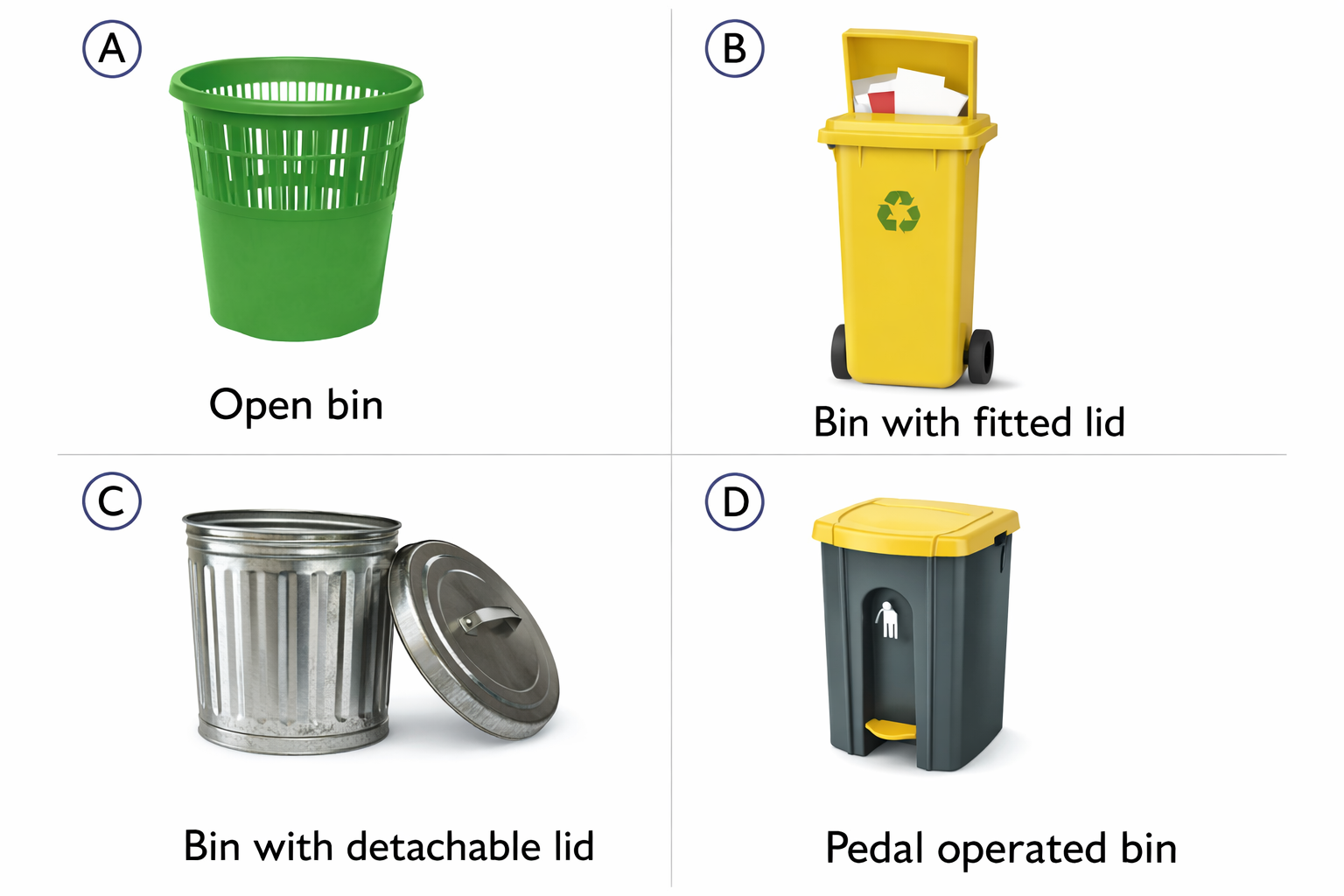
Types of waste bins
Did you know?
Using a lid on your waste bin can significantly reduce the spread of germs and keep pests like flies and rodents away from your home.

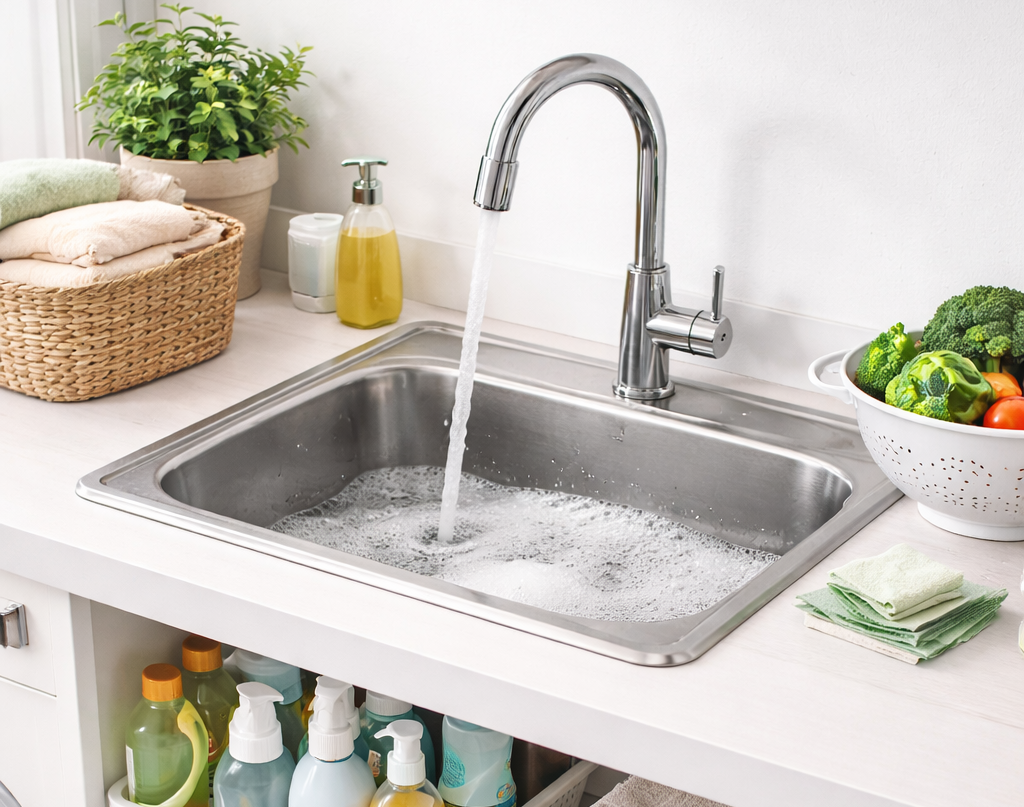
2. Sinks

  • Used for washing hands, utensils, and food items
  • Fitted with taps to supply water

👉 Require regular cleaning to:

  • Prevent blockage
  • Maintain hygiene
Kitchen sink cleaning

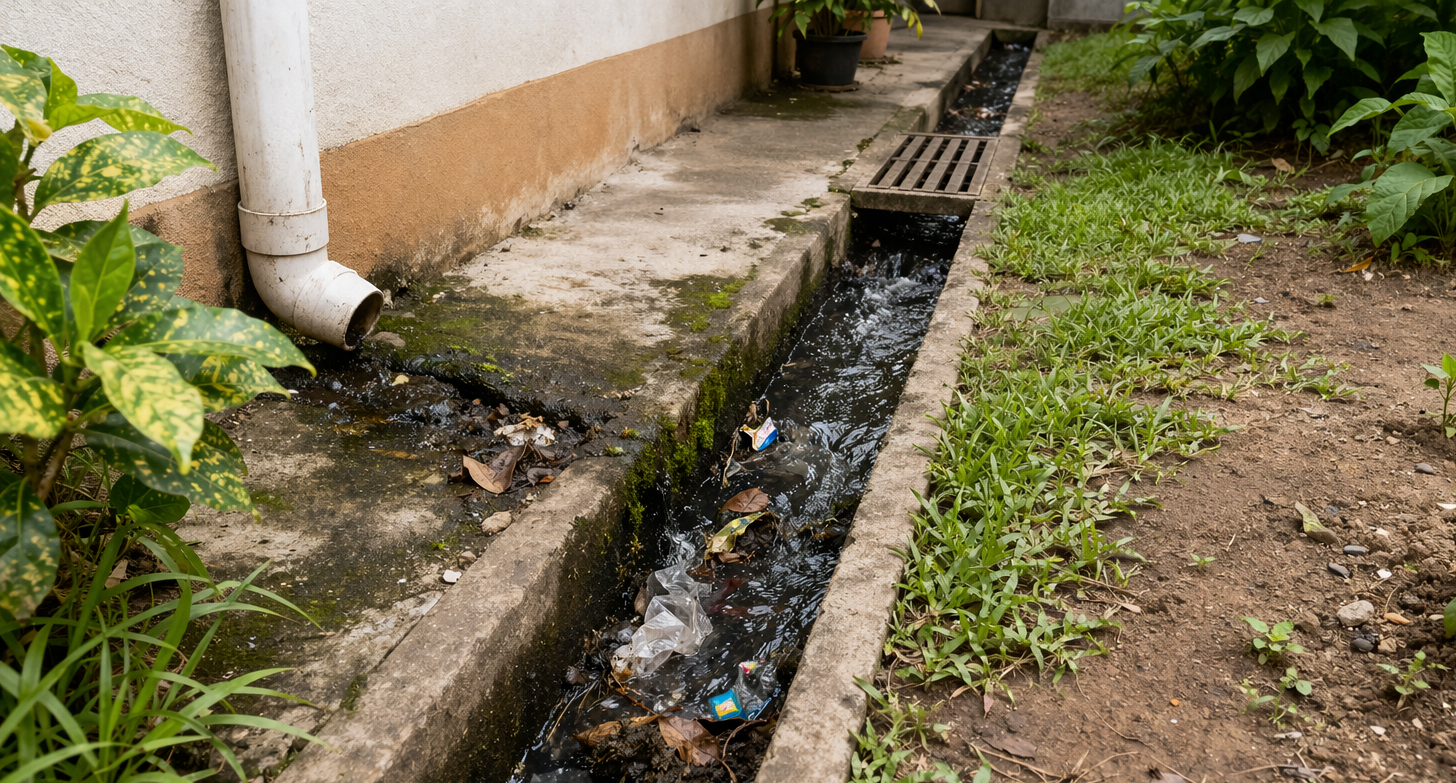
3. Open Drains

  • Channels that collect and carry away wastewater
  • Prevent water stagnation and flooding

👉 Must be kept clean to:

  • Avoid blockages
  • Prevent breeding of mosquitoes
Open drain cleaning

Want the full lesson? Subscribe to Premium Access to continue with complete notes on cleaning household facilities at household level, watch supporting video lessons, read quick summaries, attempt auto-marked questions, and practise with KJSEA-style exam questions.

Cleaning Household Facilities at Household Level

Household facilities should be cleaned regularly to maintain hygiene, safety, and comfort in the home.

Clean waste bins, sinks, and drainage areas help prevent bad smell, pests, and the spread of disease.

Correct cleaning promotes health and improves the home environment.

The lesson explains the meaning of household facilities and gives common examples found at home.

  • Waste bins and dustbins
  • Sinks and drainage structures
  • Open drains and surrounding areas

Learners also study materials, tools, and safety items required before cleaning begins.

Cleaning begins with preparation of tools, wearing protective items, and removing visible dirt and waste.

This is followed by washing, scrubbing, rinsing, disinfecting where necessary, and proper drying.

Safe handling of dirty water and cleaning agents is emphasized throughout the lesson.

  • Steps for cleaning a waste bin
  • Procedure for cleaning a sink
  • Guidelines for cleaning an open drain

Learners are guided on why each step matters and how good cleaning habits prevent health risks.

The lesson also links hygiene practices to responsibility at household level.

Important safety precautions are highlighted to protect the cleaner and other members of the household.

  • Using gloves correctly
  • Washing hands after cleaning
  • Keeping tools clean and dry

Learners then revise the topic using simplified summaries and guided review points.

The complete premium section includes structured notes, supporting video lessons, and quick revision summaries.

It also includes auto-marked practice activities and KCSE-style questions for revision and exam preparation.

Worked guidance and follow-up tasks are included in the full lesson.

Continuous practice helps learners understand cleaning procedures, hygiene rules, and household responsibility more clearly.

The remaining part of the lesson builds on these ideas with more guidance, examples, and revision support.

Want the full lesson? Subscribe to Premium Access to continue with complete notes on cleaning household facilities at household level, watch supporting video lessons, read quick summaries, attempt auto-marked questions, and practise with KCSE-style exam questions.

Cleaning Household Facilities at Household Level

Household facilities should be cleaned regularly to maintain hygiene, safety, and comfort in the home.

Clean waste bins, sinks, and drainage areas help prevent bad smell, pests, and the spread of disease.

Correct cleaning promotes health and improves the home environment.

The lesson explains the meaning of household facilities and gives common examples found at home.

  • Waste bins and dustbins
  • Sinks and drainage structures
  • Open drains and surrounding areas

Learners also study materials, tools, and safety items required before cleaning begins.

Cleaning begins with preparation of tools, wearing protective items, and removing visible dirt and waste.

This is followed by washing, scrubbing, rinsing, disinfecting where necessary, and proper drying.

Safe handling of dirty water and cleaning agents is emphasized throughout the lesson.

  • Steps for cleaning a waste bin
  • Procedure for cleaning a sink
  • Guidelines for cleaning an open drain

Learners are guided on why each step matters and how good cleaning habits prevent health risks.

The lesson also links hygiene practices to responsibility at household level.

Important safety precautions are highlighted to protect the cleaner and other members of the household.

  • Using gloves correctly
  • Washing hands after cleaning
  • Keeping tools clean and dry

Learners then revise the topic using simplified summaries and guided review points.

The complete premium section includes structured notes, supporting video lessons, and quick revision summaries.

It also includes auto-marked practice activities and KCSE-style questions for revision and exam preparation.

Worked guidance and follow-up tasks are included in the full lesson.

Continuous practice helps learners understand cleaning procedures, hygiene rules, and household responsibility more clearly.

The remaining part of the lesson builds on these ideas with more guidance, examples, and revision support.

Want the full lesson? Subscribe to Premium Access to continue with complete notes on cleaning household facilities at household level, watch supporting video lessons, read quick summaries, attempt auto-marked questions, and practise with KCSE-style exam questions.

Cleaning Household Facilities at Household Level

Household facilities should be cleaned regularly to maintain hygiene, safety, and comfort in the home.

Clean waste bins, sinks, and drainage areas help prevent bad smell, pests, and the spread of disease.

Correct cleaning promotes health and improves the home environment.

The lesson explains the meaning of household facilities and gives common examples found at home.

  • Waste bins and dustbins
  • Sinks and drainage structures
  • Open drains and surrounding areas

Learners also study materials, tools, and safety items required before cleaning begins.

Cleaning begins with preparation of tools, wearing protective items, and removing visible dirt and waste.

This is followed by washing, scrubbing, rinsing, disinfecting where necessary, and proper drying.

Safe handling of dirty water and cleaning agents is emphasized throughout the lesson.

  • Steps for cleaning a waste bin
  • Procedure for cleaning a sink
  • Guidelines for cleaning an open drain

Learners are guided on why each step matters and how good cleaning habits prevent health risks.

The lesson also links hygiene practices to responsibility at household level.

Important safety precautions are highlighted to protect the cleaner and other members of the household.

  • Using gloves correctly
  • Washing hands after cleaning
  • Keeping tools clean and dry

Learners then revise the topic using simplified summaries and guided review points.

The complete premium section includes structured notes, supporting video lessons, and quick revision summaries.

It also includes auto-marked practice activities and KCSE-style questions for revision and exam preparation.

Worked guidance and follow-up tasks are included in the full lesson.

Continuous practice helps learners understand cleaning procedures, hygiene rules, and household responsibility more clearly.

The remaining part of the lesson builds on these ideas with more guidance, examples, and revision support.

Want the full lesson? Subscribe to Premium Access to continue with complete notes on cleaning household facilities at household level, watch supporting video lessons, read quick summaries, attempt auto-marked questions, and practise with KCSE-style exam questions.

Cleaning Household Facilities at Household Level

Household facilities should be cleaned regularly to maintain hygiene, safety, and comfort in the home.

Clean waste bins, sinks, and drainage areas help prevent bad smell, pests, and the spread of disease.

Correct cleaning promotes health and improves the home environment.

The lesson explains the meaning of household facilities and gives common examples found at home.

  • Waste bins and dustbins
  • Sinks and drainage structures
  • Open drains and surrounding areas

Learners also study materials, tools, and safety items required before cleaning begins.

Cleaning begins with preparation of tools, wearing protective items, and removing visible dirt and waste.

This is followed by washing, scrubbing, rinsing, disinfecting where necessary, and proper drying.

Safe handling of dirty water and cleaning agents is emphasized throughout the lesson.

  • Steps for cleaning a waste bin
  • Procedure for cleaning a sink
  • Guidelines for cleaning an open drain

Learners are guided on why each step matters and how good cleaning habits prevent health risks.

The lesson also links hygiene practices to responsibility at household level.

Important safety precautions are highlighted to protect the cleaner and other members of the household.

  • Using gloves correctly
  • Washing hands after cleaning
  • Keeping tools clean and dry

Learners then revise the topic using simplified summaries and guided review points.

The complete premium section includes structured notes, supporting video lessons, and quick revision summaries.

It also includes auto-marked practice activities and KCSE-style questions for revision and exam preparation.

Worked guidance and follow-up tasks are included in the full lesson.

Continuous practice helps learners understand cleaning procedures, hygiene rules, and household responsibility more clearly.

The remaining part of the lesson builds on these ideas with more guidance, examples, and revision support.

Subscribe to continue reading the full lesson.

Subscribe to Premium Access