Human Reproductive System
Learn about the male and female reproductive systems, adolescence, and developmental changes. Explore the functions, physical changes during puberty, and challenges of adolescence.
Introduction
In this section, we will explore the human reproductive system and the changes that take place during adolescence. These systems are essential for reproduction, which allows humans to produce offspring and continue the species. Understanding how the male and female reproductive systems work is an important part of your science education.
We will start by learning about the main parts of the male and female reproductive systems, their functions, and how they work together during reproduction. Additionally, we will discuss puberty, the period in adolescence when the body undergoes significant changes to become capable of reproduction.
Puberty involves physical changes such as growth, development of sexual characteristics, and emotional changes. These changes help prepare the body for adulthood and reproduction. By the end of this section, you will understand the key parts of the reproductive system and the stages of development that occur during adolescence.
The Male Reproductive System
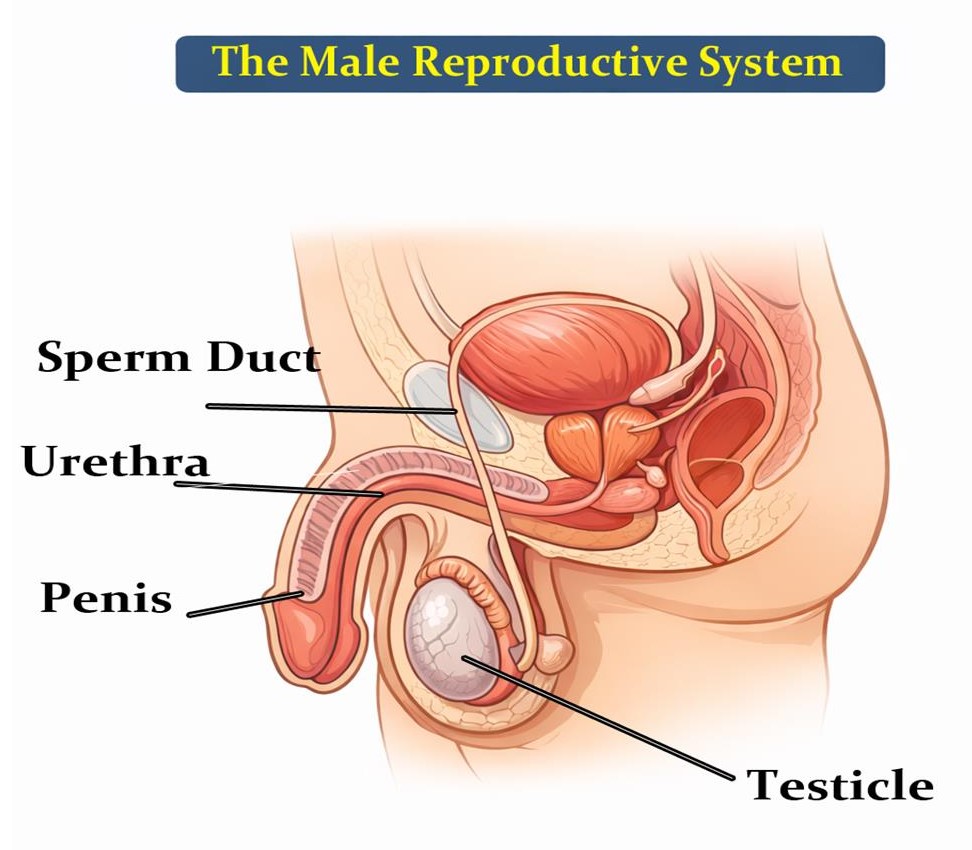
The male reproductive system is designed to produce male gametes (sperms) and deliver them into the female reproductive system for reproduction. It also produces male sex hormones like testosterone, which regulate the development of male characteristics.
Main Parts and Their Functions
| Part | Function | Additional Details |
|---|---|---|
| Penis | Deposits sperms into the vagina during sexual intercourse. | Also allows urine to leave the body through the urethra. |
| Urethra | Tube through which urine and semen leave the body. | It serves a dual purpose; a valve prevents urine and semen from mixing during ejaculation. |
| Testes (Testicles) | Produce sperms and the male hormone testosterone. | Testosterone controls the development of male secondary sexual characteristics like deep voice, facial hair, and muscle growth. |
| Scrotum | Sac that holds and protects the testes. | Keeps testes slightly cooler than body temperature, which is essential for sperm production. |
| Sperm duct (Vas deferens) | Carries sperms from the testes to the urethra. | During ejaculation, sperm travel through the vas deferens and mix with fluids from glands to form semen. |
| Reproductive glands (seminal vesicles, prostate gland, bulbourethral gland) | Produce fluids that mix with sperms to form semen. | These fluids provide nutrients and a medium for sperm movement and help neutralize acidic environments in the female reproductive tract. |
Important Notes
- Semen is a mixture of sperm cells and reproductive fluids.
- Sperm production begins at puberty/adolescence and continues throughout life.
- Healthy sperm production depends on proper nutrition, temperature, and lifestyle.
The Female Reproductive System
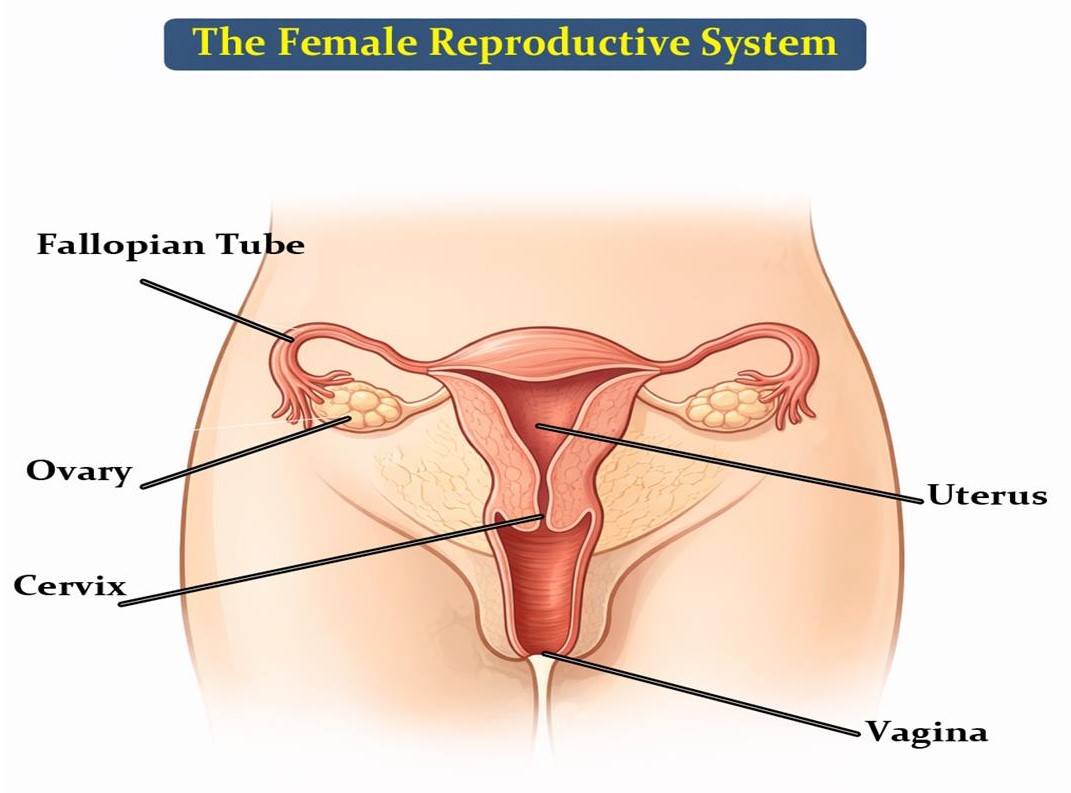
The female reproductive system is responsible for producing eggs (ova), facilitating fertilisation, and supporting the development of a baby during pregnancy. It also produces female sex hormones, mainly estrogen and progesterone, which regulate menstrual cycles and the development of female characteristics.
Main Parts and Their Functions
| Part | Function | Additional Details |
|---|---|---|
| Ovary | Produces eggs (ova) and female hormones. | Girls are born with immature eggs; a few mature and are released during each menstrual cycle. |
| Oviduct (Fallopian tube) | Connects ovary to uterus; fertilisation usually occurs here. | Tiny hair-like structures called cilia help move the egg toward the uterus. |
| Uterus | Organ where the baby develops during pregnancy. | Lined with endometrium, which thickens during the menstrual cycle to prepare for implantation. |
| Cervix | Narrow opening of the uterus; opens during childbirth. | Produces mucus that can help or block sperm movement depending on the cycle stage. |
| Vagina | Receives sperm during sexual intercourse; serves as the birth canal. | Also allows menstrual blood to leave the body. |
Important Notes
- Egg release (ovulation) begins during adolescence, typically around 12–13 years of age.
- Each menstrual cycle, usually one egg matures and is released.
- The female reproductive system is also affected by hormones, which regulate menstruation, pregnancy, and lactation.
Adolescence
Adolescence is the transitional stage of life between childhood and adulthood. During this period:
- The body undergoes physical changes that prepare it for adulthood.
- Reproductive organs mature, enabling the individual to reproduce.
- Emotional and social development occurs, helping individuals form identity, self-confidence, and relationships.
- Adolescents gradually gain independence and develop decision-making skills.
Key Point:
Adolescence usually occurs between 10–19 years of age, though the exact timing can vary for each individual.
Physical Changes During Adolescence
Adolescence involves many physical changes, some unique to each gender and some common to both.
(a) Changes in Girls Only
- Menstruation begins – the first menstrual period.
- Breast development – breasts enlarge as a sign of sexual maturity.
- Hips broaden – preparing the body for potential childbearing.
- Increased body fat distribution – body shape becomes more adult-like.
(b) Changes in Boys Only
- Voice deepens – vocal cords grow, producing a lower pitch.
- Adam’s apple becomes noticeable – part of larynx enlargement.
- Shoulders broaden – chest and shoulder muscles develop.
- Increased muscle mass – body becomes more muscular and strong.
(c) Changes in Both Boys and Girls
- Increase in height and weight – rapid growth spurt occurs.
- Growth of pubic and underarm hair – due to hormonal changes.
- Acne (pimples) – increased oil production in skin can cause breakouts.
- Increased sweating and body odour – sweat glands become more active.
- Changes in body composition – muscles, fat, and bone density adjust for adulthood.
Note: These changes are influenced by genetics, nutrition, and overall health.
Developmental Challenges During Adolescence
Adolescence is not only a period of physical growth but also emotional and social adjustments. Challenges can be grouped as:
(a) Physical Challenges
- Pimples and acne – common due to hormonal changes.
- Sweating and body odour – more noticeable during puberty.
- Menstrual pain – cramps and discomfort during periods in girls.
- Voice breaking – sudden pitch changes in boys.
- Rapid growth – can cause temporary clumsiness or fatigue.
(b) Social Challenges
- Peer pressure – desire to fit in can lead to risky behaviour.
- Influence from friends – may affect choices, habits, and behaviour.
- Withdrawal from adults – teens may prefer friends over parents or teachers.
- Changing relationships – forming new social identities and roles.
(c) Emotional Challenges
- Mood swings – rapid changes in feelings due to hormonal shifts.
- Shyness or social anxiety – feeling self-conscious about body changes.
- Low self-esteem – comparing oneself to peers or media standards.
- Confusion about identity – figuring out personal values, beliefs, and goals.
Key Point:
These challenges are normal and part of growing up. Support and guidance can help adolescents navigate them successfully.
Managing Developmental Challenges
Adolescents can cope with these challenges through healthy habits, guidance, and support:
- Seek medical advice when experiencing health or developmental issues.
- Exercise regularly – helps manage stress, builds strength, and improves mood.
- Eat a balanced diet – provides energy and nutrients for growth.
- Maintain personal hygiene – regular bathing, oral care, and skincare reduce discomfort.
- Talk to parents, teachers, or trusted adults – sharing feelings and experiences improves emotional health.
- Choose good friends – positive peer influence encourages healthy behaviour.
- Participate in school and community activities – promotes self-confidence, teamwork, and social skills.
- Learn coping strategies – such as relaxation, meditation, and time management.
Summary
Male Reproductive System
- Responsible for producing male gametes (sperms) and delivering them for reproduction.
- Key parts: Penis, urethra, testes, scrotum, sperm duct, reproductive glands.
- Testosterone regulates the development of male characteristics like facial hair and muscle growth.
Female Reproductive System
- Responsible for producing eggs (ova) and supporting pregnancy.
- Key parts: Ovaries, oviduct, uterus, cervix, vagina.
- Estrogen and progesterone regulate menstrual cycles and female characteristics.
Adolescence
- The transition from childhood to adulthood, marked by physical, emotional, and social changes.
- Physical changes: Growth spurts, development of secondary sexual characteristics, menstruation (girls), voice deepening (boys).
- Challenges: Acne, body odour, peer pressure, mood swings, identity confusion.
- Managing challenges: Healthy habits, exercise, balanced diet, support from family and friends.
Physical Changes During Adolescence
- Changes unique to girls: Menstruation, breast development, hips broaden, body fat distribution.
- Changes unique to boys: Voice deepens, shoulders broaden, increased muscle mass.
- Changes common to both: Height and weight increase, pubic and underarm hair growth, acne, body odour.
Managing Developmental Challenges
- Seek medical advice when experiencing health issues.
- Exercise regularly to improve mood and strength.
- Maintain hygiene, eat well, and talk to trusted adults for support.
- Positive peer influence, participation in activities, and learning coping strategies can help manage challenges.
assessment
Human Reproductive System & Adolescence Assessment
Answer the 20 questions based on your understanding of the human reproductive system, puberty, and adolescence.
Certificate of Achievement
This certifies that
has successfully completed the assessment on
Human Reproductive System & Adolescence
Score: